
The Impact of Escape Rooms on Communication Skills
Escape rooms have taken the world by storm, offering a thrilling, immersive experience where participants solve puzzles and complete challenges to “escape” within a set time limit. But did you know these exhilarating adventures can also significantly enhance your communication skills? As a parent looking to infuse more fun and learning into family activities, escape rooms can be a game-changer. In this blog post, we’ll explore how escape rooms, especially those designed for home use like our Escape Kits, can boost your family’s communication abilities while providing endless entertainment.
Introduction
Imagine this: You and your family are locked in a room, surrounded by mysterious clues and intricate puzzles. The clock is ticking, and the only way to escape is to work together, communicating effectively to unravel the mysteries. Sounds exciting, right? But beyond the adrenaline rush, there’s a valuable takeaway: improved communication skills. In today’s fast-paced world, where digital interactions often replace face-to-face conversations, escape rooms offer a unique opportunity to reconnect and strengthen family bonds through enhanced communication.

“The single biggest problem in communication is the illusion that it has taken place.” – George Bernard Shaw
The Rise of Escape Rooms
Escape rooms have evolved from niche entertainment to mainstream phenomena. Originating in Japan in the early 2000s, they quickly spread across the globe, captivating enthusiasts with their blend of storytelling, problem-solving, and teamwork. Today, escape rooms are not just physical locations but also come in various formats, including virtual and at-home kits. This evolution has made them more accessible, allowing families to experience the thrill and benefits from the comfort of their homes.
The Educational Value of Escape Rooms
Escape rooms are more than just fun—they are educational tools that promote critical thinking, creativity, and, most importantly, communication. Here’s how they make a difference:
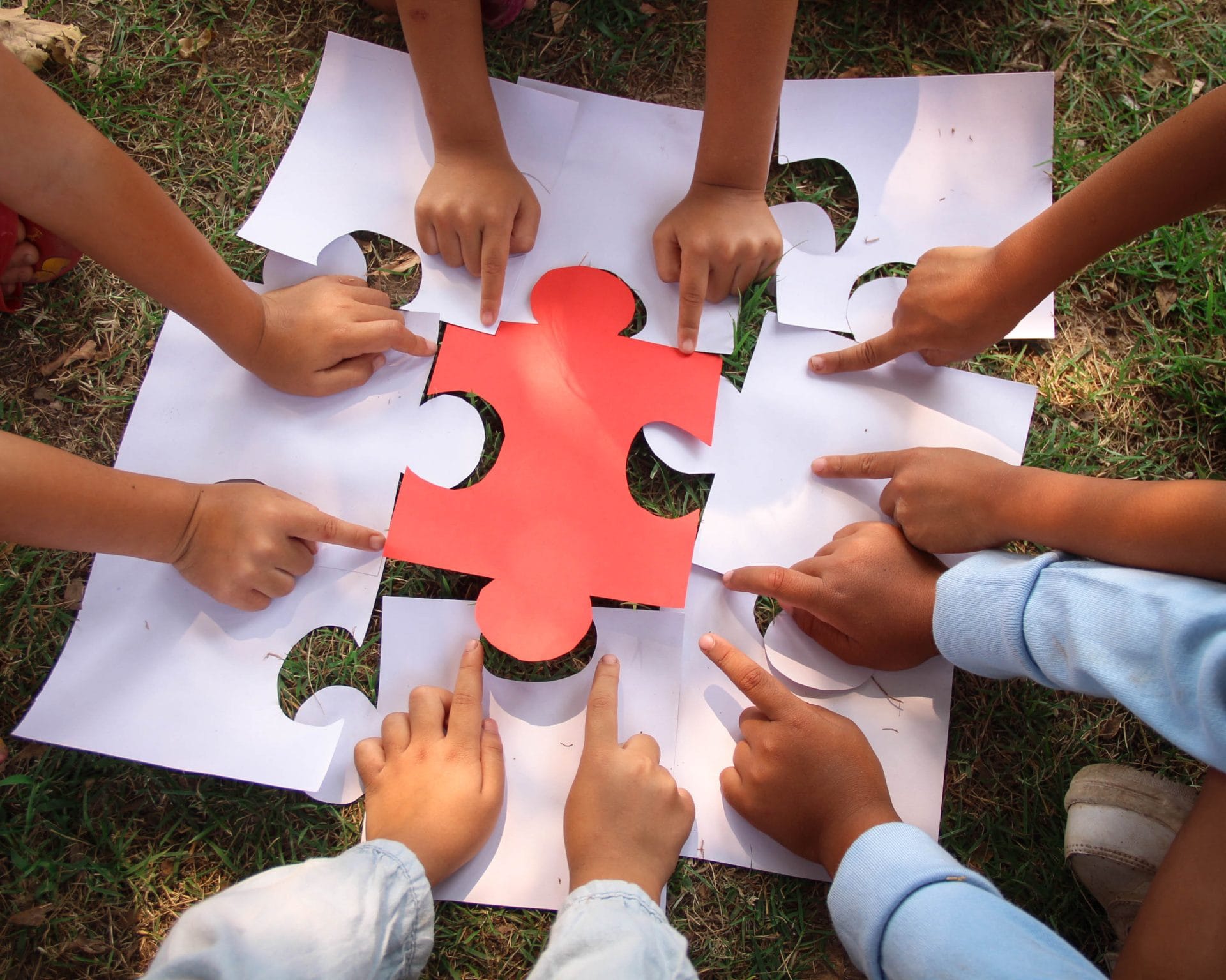
- Teamwork and Collaboration: Successfully escaping a room requires players to work together. This collaboration naturally enhances verbal and non-verbal communication as participants share ideas, listen actively, and build on each other’s thoughts.
- Active Listening: To solve puzzles efficiently, players must listen to each other carefully. This practice hones listening skills, ensuring that each voice is heard and valued.
- Clear and Concise Communication: The time-sensitive nature of escape rooms forces players to communicate clearly and succinctly. This skill is invaluable in everyday life, where clear communication can prevent misunderstandings and foster stronger relationships.
- Problem-Solving Discussions: Engaging in discussions to solve puzzles encourages analytical thinking and the articulation of thoughts, enhancing both expressive and receptive communication skills.
Enhancing Family Communication with Escape Kits
Our Escape Kits bring the excitement of escape rooms into your home, making them a perfect family activity. Here’s how they can help improve communication within your family:
Creating a Collaborative Environment
Escape Kits are designed to encourage collaboration. Each family member plays a crucial role, from the youngest to the oldest. By working together to solve puzzles, family members learn to appreciate each other’s strengths and perspectives, fostering a more collaborative environment at home.
Encouraging Open Dialogue
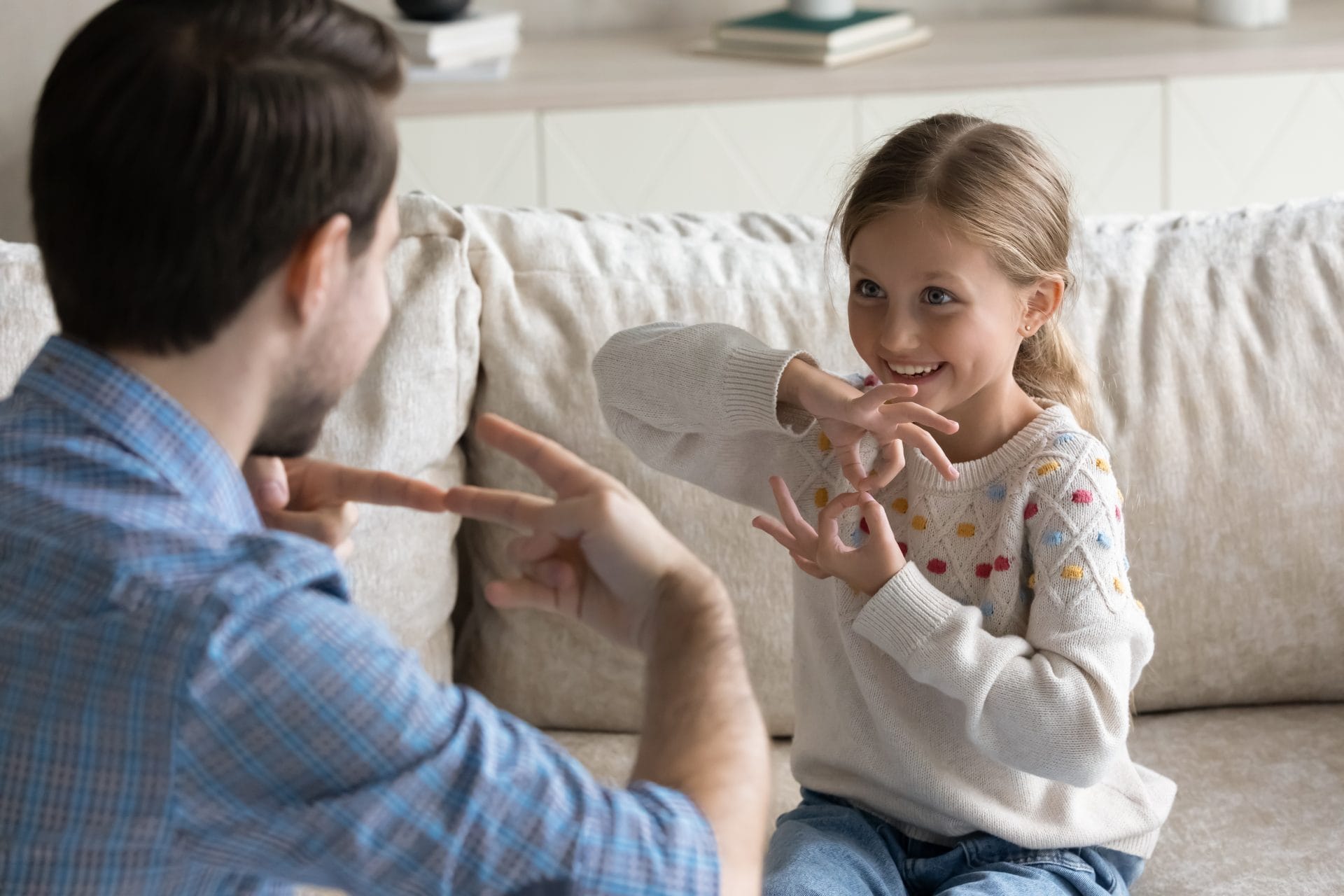
In an escape room scenario, open dialogue is key to success. Families must share observations, propose solutions, and discuss strategies openly. This practice can translate into better communication habits in everyday life, where family members feel more comfortable expressing their thoughts and feelings.
Building Trust and Support
Successfully escaping a room requires trust and support. Family members must rely on each other’s skills and knowledge, building a sense of trust and mutual support that strengthens family bonds.
Practical Tips for Maximizing Communication Skills with Escape Kits
To make the most of your Escape Kit experience, here are some practical tips:
- Assign Roles: Assign specific roles to each family member based on their strengths. For example, one person could be the clue master, while another focuses on solving puzzles. This division of tasks encourages responsibility and effective communication.
- Foster an Inclusive Environment: Ensure that everyone’s ideas are heard and considered. Encourage quieter family members to speak up and share their thoughts.
- Reflect on the Experience: After completing the escape room, take time to reflect on the experience. Discuss what communication strategies worked well and what could be improved. This reflection helps reinforce positive communication habits.
- Celebrate Successes Together: Celebrate your successes as a team. Whether you escape in record time or just barely make it, acknowledging each other’s contributions reinforces the value of teamwork and communication.
Conclusion
Escape rooms offer more than just an exciting adventure; they provide a unique platform for enhancing communication skills. Our Escape Kits bring this opportunity directly to your home, allowing families to bond, collaborate, and improve their communication in a fun and engaging way. So why wait? Dive into the world of escape rooms and watch as your family’s communication skills flourish.
Unlock Adventure—Try Our Escape Room Kits Today!
By embracing the challenge of escape rooms, you not only create lasting memories but also equip your family with the communication tools needed to navigate everyday life more effectively. Ready to embark on this thrilling journey? Try our Escape Kits today and transform your family game nights into an unforgettable experience filled with fun, learning, and improved communication.
Don't forget to share this post!
Read more stories

10 Affordable & Unique Gifts for the Mom Who Has Everything
Surprise her with something fun, personal, and unexpected. From immersive home escape room kits to relaxing spa sets, these gifts leave a lasting impression.

Organizing the Perfect At-Home Treasure Hunt
Turn your home into a fun-filled treasure map. Learn tips, ideas, and examples to host an unforgettable adventure for kids, families, or date nights.

Printable Escape Room Games: Thrilling Adventures at Home
Transform your living space into a puzzle-packed adventure with printable escape room games. Perfect for parties, family fun, and team-building.