
Introduction
Who knew that fun could be so beneficial? From jigsaw puzzles to brain-teasing crossword puzzles, and exhilarating escape room challenges, puzzles are not just for passing time—they’re a powerhouse for brain health. In this post, we’ll unpack the fascinating science behind puzzles and show you exactly how these engaging activities can elevate cognitive abilities, making every day a bit sharper and a whole lot more fun.

Puzzles do more than pass the time; they actively enrich our neural architecture. Each time we solve a puzzle, whether it’s a jigsaw or a complex crossword, we’re not just entertaining ourselves—we’re sharpening our cognitive abilities and enhancing our mental resilience.
Table of content:
Boost Your Brain Power with Puzzles
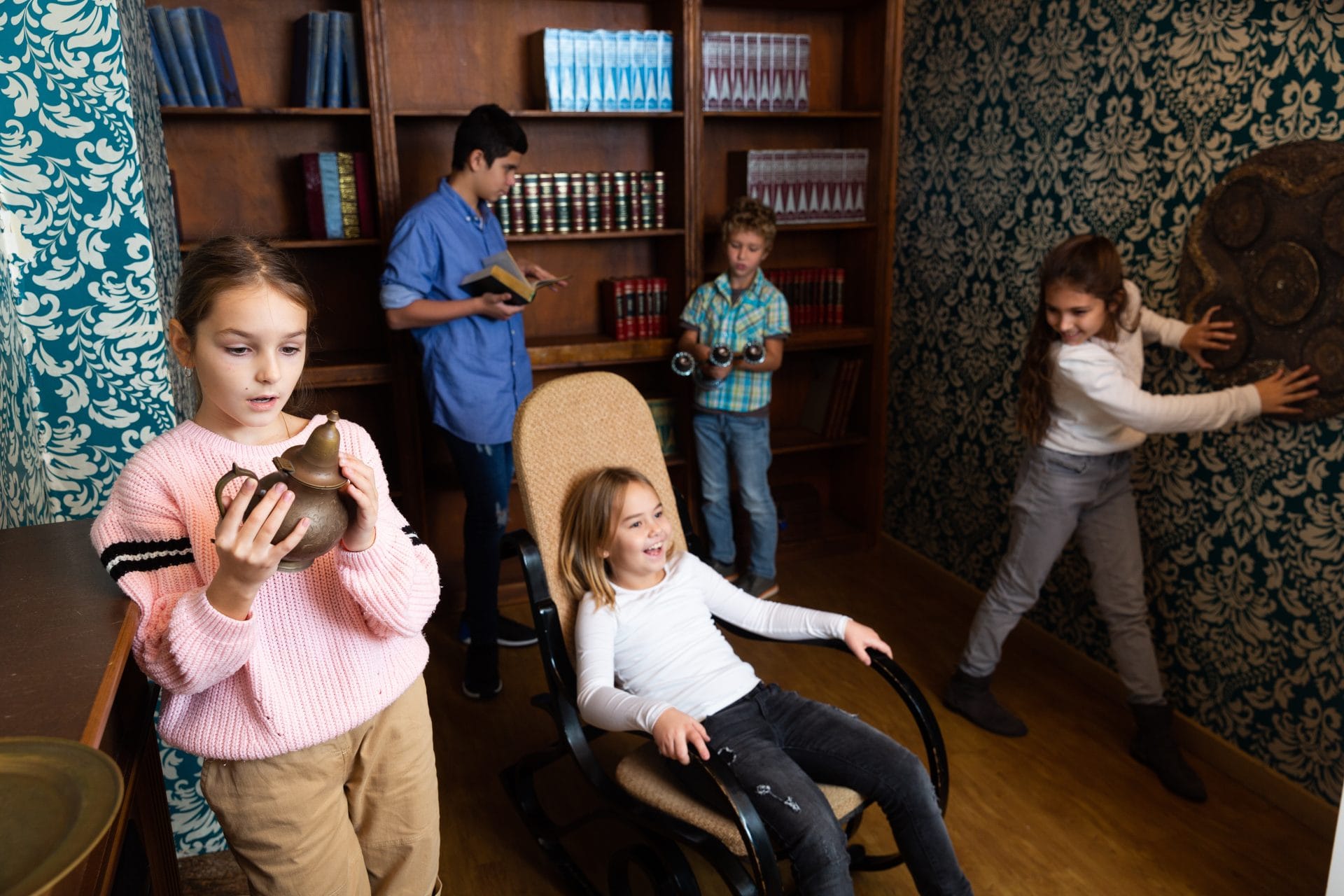
Ever wondered why puzzles feel so rewarding? They’re a gym workout for your brain! Engaging in puzzle activities, especially those tricky escape rooms, demands acute recall of shapes, colors, and clues, exercising your short-term memory. But it doesn’t stop there—long-term memory gets a boost too, as you apply puzzle-solving strategies learned over time. Research confirms that puzzles fortify neural connections and foster new ones, enhancing your memory’s storage and retrieval capacity.

Elevating Problem-Solving Skills
Each puzzle is a new adventure in critical thinking. Whether it’s piecing together a challenging 1000-piece jigsaw or deciphering the complex clues of an escape room, puzzles require a blend of analysis and creativity. This regular mental gymnastics sharpens your capacity to think quickly and from multiple perspectives, bolstering your problem-solving prowess for all of life’s big and small challenges.
Ante est eleifend sapien nec finibus eros nisl ut tortor. Etiam faucibus ut urna id laoreet. Nunc vel dictum augue. Aliquam seml arcu sapien magna commodo eud auctor in sagittis.
Boosting Emotional Health
The act of solving a puzzle is akin to meditation; it demands focus while providing a peaceful retreat from daily stresses. This concentration blocks external stressors, functioning as a stress-relief tool. Completing a puzzle also sparks dopamine release—our brain’s built-in reward system—elevating mood and enhancing a sense of accomplishment.
Puzzles: Your Defense Against Cognitive Decline
Puzzles are a proven defense against cognitive decline, including Alzheimer’s. The mental challenges posed by puzzles stimulate the brain, promoting neuroplasticity and helping to keep your mind sharp as you age. Regular engagement with puzzles ensures that your brain remains flexible, continually adapting and learning through new experiences.
Conclusion
Integrating puzzles into your daily routine is more than just an enjoyable pastime; it’s a strategic move to boost mental functions, enhance memory, manage stress, and keep your brain young. Whether it’s a quick crossword in your morning routine or a group escape room challenge on the weekend, the benefits of puzzles extend well beyond entertainment. Embrace these brain-boosting activities, and you’ll see your cognitive abilities reach new heights.
Don't forget to share this post!
Read more stories

10 Affordable & Unique Gifts for the Mom Who Has Everything
Surprise her with something fun, personal, and unexpected. From immersive home escape room kits to relaxing spa sets, these gifts leave a lasting impression.

Organizing the Perfect At-Home Treasure Hunt
Turn your home into a fun-filled treasure map. Learn tips, ideas, and examples to host an unforgettable adventure for kids, families, or date nights.

Printable Escape Room Games: Thrilling Adventures at Home
Transform your living space into a puzzle-packed adventure with printable escape room games. Perfect for parties, family fun, and team-building.