
Introduction
Imagine this: you’re locked in a room with your family, surrounded by clues, puzzles, and hidden secrets. The clock is ticking, and the only way out is to solve every mystery before time runs out. Sounds exhilarating, right? This is the essence of an escape room, a thrilling and challenging adventure that tests your wits and teamwork. But what makes some teams more successful than others? The answer lies in the power of logical thinking.
In this blog post, we’ll explore how logical thinking is the key to conquering escape rooms and how you can harness this skill to make your next game night unforgettable. Whether you’re new to escape rooms or a seasoned enthusiast, understanding the role of logic will enhance your experience and increase your chances of success.

“Logic is the beginning of wisdom, not the end.” – Leonard Nimoy
Table of content:
The Magic of Logical Thinking
What is Logical Thinking?
Logical thinking is the process of using reason and rationality to analyze situations, solve problems, and make decisions. It involves a series of steps that help you move from a given set of premises to a valid conclusion. This form of thinking is essential in escape rooms, where every puzzle requires a clear, methodical approach.
Why is Logical Thinking Important in Escape Rooms?
Escape rooms are designed to challenge your problem-solving abilities. They often include a variety of puzzles that require different types of thinking, but logical thinking is the thread that ties them all together. Here’s why:
- Pattern Recognition: Many escape room puzzles involve recognizing patterns, whether in numbers, symbols, or sequences. Logical thinking helps you identify these patterns quickly and accurately.
- Cause and Effect: Understanding how one action leads to another is crucial. For example, solving one puzzle might give you a clue that leads to the next. Logical thinking allows you to see these connections and progress through the game.
- Elimination: Sometimes, the best way to solve a puzzle is to eliminate impossible options. Logical thinking helps you narrow down possibilities and focus on the most likely solutions.
- Sequencing: Many escape room challenges require you to perform tasks in a specific order. Logical thinking ensures you follow the correct sequence, avoiding unnecessary errors and delays.
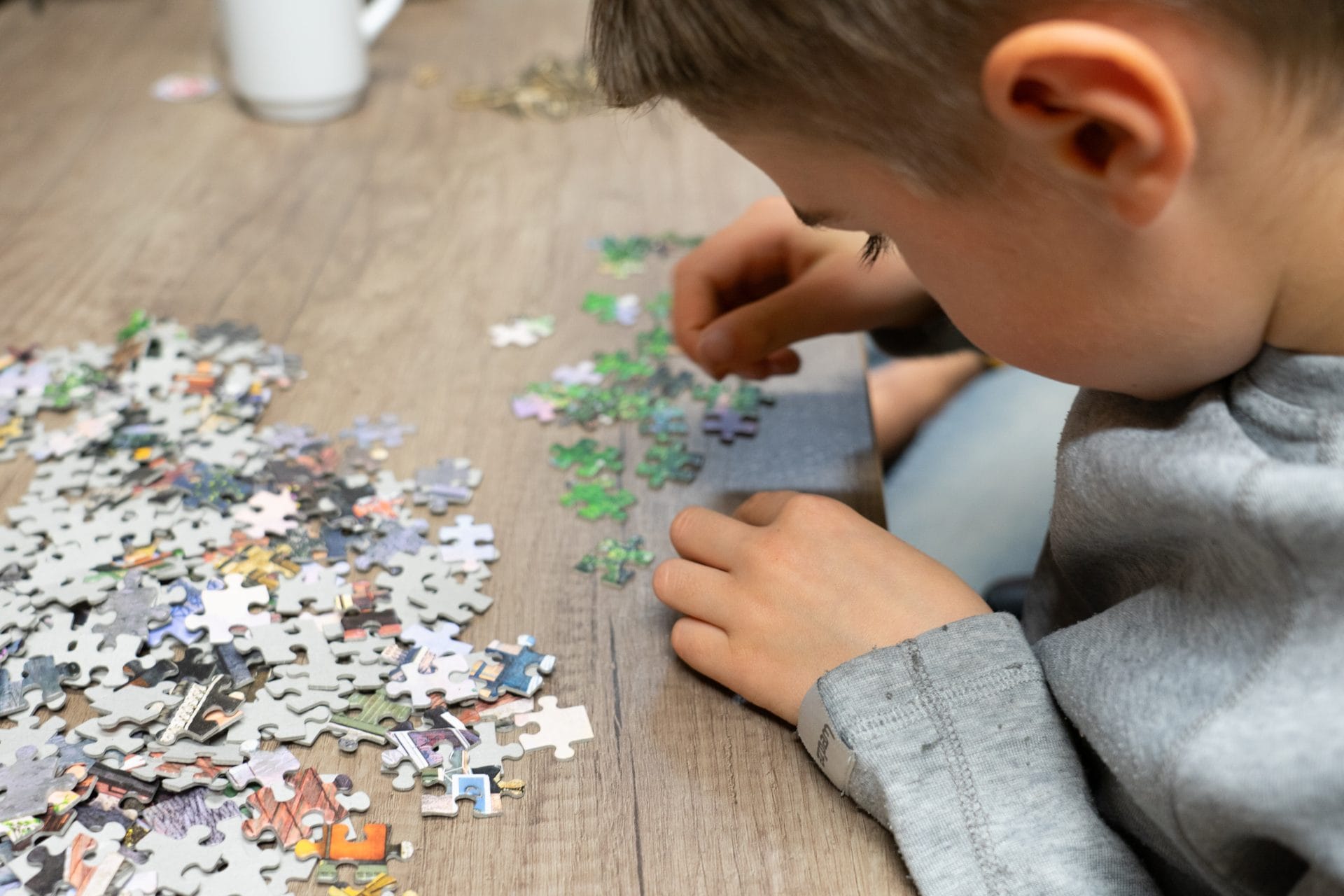
Applying Logical Thinking in Escape Rooms
Step-by-Step Problem Solving
- Gather Information: Start by examining everything in the room. Look for clues, objects, and anything that stands out. Don’t ignore details; sometimes the smallest hint can be the key to unlocking a puzzle.
- Break Down the Problem: Once you’ve gathered information, break down each puzzle into smaller, manageable parts. Analyze what you know and what you need to find out.
- Develop a Plan: Formulate a strategy for solving each puzzle. Think about the steps you need to take and the resources you have available.
- Test and Adjust: Try your solution. If it doesn’t work, reevaluate your information and approach. Sometimes you’ll need to think outside the box or combine clues in unexpected ways.
Teamwork and Communication
Logical thinking isn’t just an individual skill; it’s also crucial for effective teamwork. In an escape room, clear communication and collaboration are vital. Here’s how to make the most of your team’s collective brainpower:
- Delegate Tasks: Assign different puzzles or areas of the room to different team members based on their strengths. This way, everyone is working efficiently and contributing to the overall goal.
- Share Information: Keep everyone informed about what you’ve found and what you’re working on. This ensures no clue is overlooked and everyone is on the same page.
- Brainstorm Together: When you’re stuck, gather the team and brainstorm. Sometimes a fresh perspective can lead to a breakthrough.
Practical Tips for Families
- Practice Logical Games: Before your escape room adventure, warm up with logical games and puzzles at home. This can include board games, Sudoku, or online puzzle games.
- Encourage Critical Thinking: Foster an
environment where critical thinking is a part of everyday life. Ask your kids questions that make them think and reason rather than giving them straightforward answers.
- Role Play at Home: Create mini escape room scenarios at home using our Escape Kit. This can help your family get accustomed to the kind of logical thinking and teamwork required in a real escape room.
- Stay Positive and Have Fun: Remember, the goal is to have fun and bond as a family. Celebrate small victories along the way and keep the atmosphere positive.
The Science Behind Logical Thinking
Cognitive Benefits
Engaging in activities that require logical thinking isn’t just fun; it’s also incredibly beneficial for cognitive development. Studies have shown that puzzles and problem-solving activities can improve memory, enhance concentration, and even increase IQ levels.
- Memory Improvement: Working through puzzles and remembering different clues helps to improve short-term memory and recall.
- Enhanced Concentration: Focusing on solving complex problems enhances your attention span and concentration.
- IQ Boost: Regularly engaging in problem-solving activities can have a positive impact on your IQ by challenging your brain and keeping it active.
Life Skills Development
The skills honed in an escape room can be applied to everyday life, making logical thinking an invaluable asset beyond the game.
- Problem-Solving Skills: Developing the ability to approach problems methodically and logically can help in many areas of life, from schoolwork to career challenges.
- Critical Thinking: Learning to question assumptions, analyze situations from different angles, and think critically is beneficial in making informed decisions.
- Teamwork and Communication: Effective communication and teamwork skills are essential in both personal and professional settings. Learning to work well with others towards a common goal can significantly improve these skills.

Making Escape Rooms a Family Tradition
Setting Up Your Own Escape Room at Home
Our Escape Kits provide everything you need to turn your home into an exciting escape room. Here’s how you can create an unforgettable experience for your family:
- Choose a Theme: Select a theme that excites your family. Whether it’s a pirate adventure, a detective mystery, or a space mission, having a captivating theme sets the tone for the experience.
- Set Up the Room: Use the kit to set up clues, puzzles, and hidden items around your home. Make sure to mix easy and challenging puzzles to keep everyone engaged.
- Set the Scene: Decorate the room to match the theme. Use props, costumes, and background music to create an immersive atmosphere.
- Explain the Rules: Make sure everyone understands the objective and the rules. Provide a brief backstory to get everyone into character.
- Start the Timer: Set a time limit to add excitement and urgency. Remember to keep it fun and adjust the difficulty based on the age and experience level of the players.
Tips for a Successful Game Night
- Be Prepared: Make sure you have everything set up before your family starts the game. Test the puzzles to ensure they work as intended.
- Encourage Participation: Ensure everyone has a role and feels included. Encourage even the youngest family members to contribute.
- Provide Hints: If your family gets stuck, don’t hesitate to offer hints to keep the game moving. The goal is to have fun, not to frustrate.
- Celebrate Success: Once the game is over, celebrate your successes and discuss what you enjoyed the most. This helps to reinforce the positive experience and makes everyone look forward to the next game night.

Conclusion
Logical thinking is the cornerstone of escape room success, transforming a fun activity into an opportunity for cognitive development and family bonding. By fostering logical thinking skills and teamwork, you can create unforgettable experiences that bring your family closer together.
So, why not plan your next family game night with one of our Escape Kits? Dive into the world of puzzles and mysteries, and watch as your family works together, laughs, and celebrates each victory. Remember, it’s not just about escaping the room; it’s about the journey, the learning, and the memories you create along the way.
Unlock Adventure—Try Our Escape Room Kits Today!
By integrating logical thinking into your family activities, you not only enhance the fun but also foster valuable skills that will benefit everyone in the long run. So grab an Escape Kit, gather your family, and embark on a thrilling adventure that promises excitement, learning, and unforgettable memories!
Don't forget to share this post!
Read more stories

10 Affordable & Unique Gifts for the Mom Who Has Everything
Surprise her with something fun, personal, and unexpected. From immersive home escape room kits to relaxing spa sets, these gifts leave a lasting impression.

Organizing the Perfect At-Home Treasure Hunt
Turn your home into a fun-filled treasure map. Learn tips, ideas, and examples to host an unforgettable adventure for kids, families, or date nights.

Printable Escape Room Games: Thrilling Adventures at Home
Transform your living space into a puzzle-packed adventure with printable escape room games. Perfect for parties, family fun, and team-building.