
Introduction
Puzzles have been a beloved pastime for centuries, captivating minds young and old with their enigmatic charm. As we dive into the history of puzzles, you’ll discover how they’ve evolved from ancient riddles to the thrilling escape rooms of today. Whether you’re a parent looking for fun home activities or a puzzle enthusiast, this journey through time is bound to inspire your next game night.

“The oldest and strongest emotion of mankind is fear, and the oldest and strongest kind of fear is fear of the unknown.” — H.P. Lovecraft
The Origins of Puzzles: Ancient Riddles and Mysteries
Puzzles have been intriguing humans for millennia. The earliest puzzles date back to ancient civilizations, where they were used not just for entertainment, but also for education and religious practices.
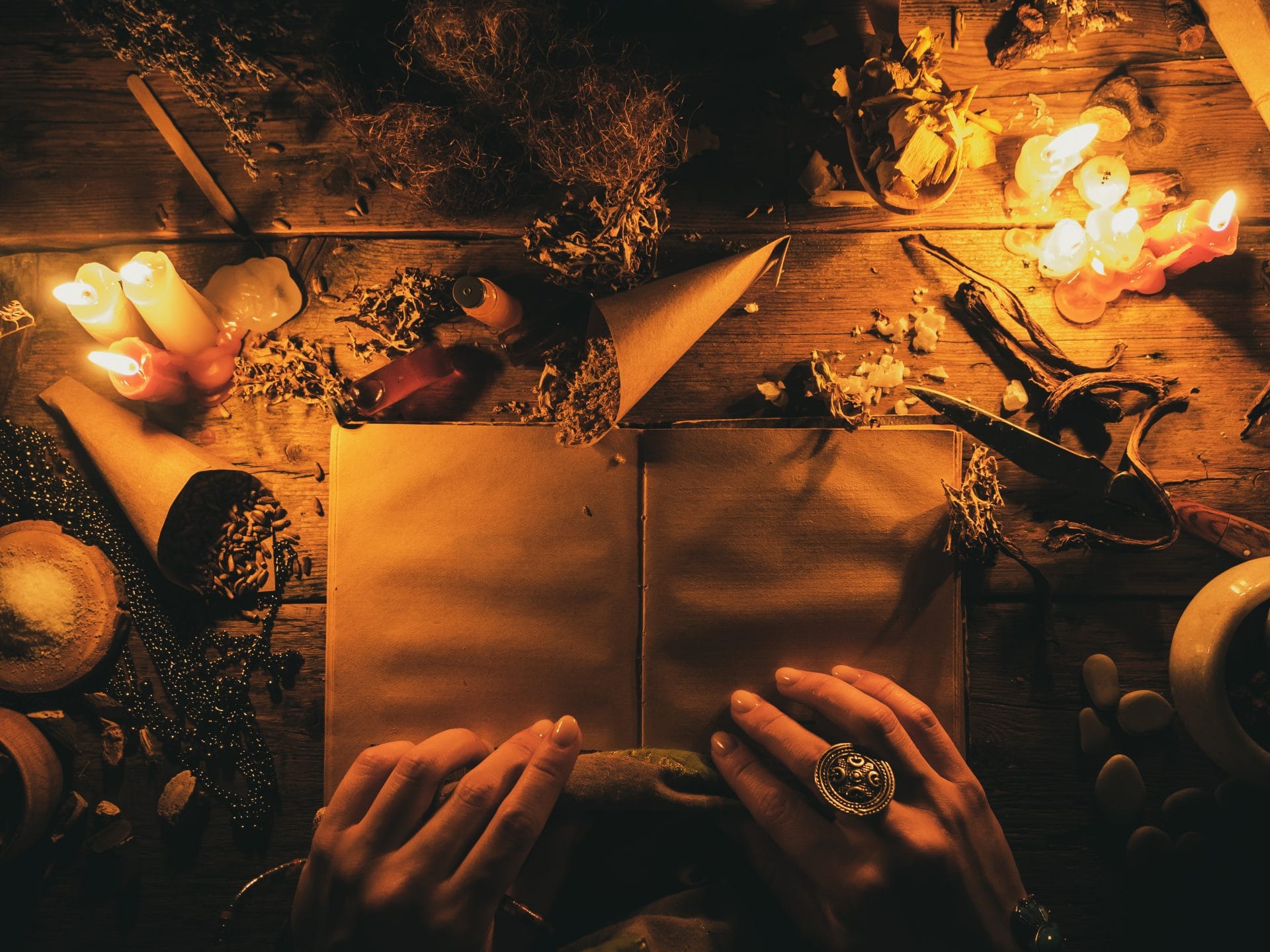
Ancient Egypt and Greece: The Birth of Brain Teasers
In ancient Egypt, one of the earliest known puzzles is the riddle of the Sphinx, a mythical creature that posed a famous question to travelers: “What walks on four legs in the morning, two legs at noon, and three legs in the evening?” This riddle, steeped in metaphor, was a way to provoke thought and reflection.
Similarly, ancient Greece was home to many puzzles and riddles. The philosopher Plato often used puzzles in his dialogues to teach his students complex ideas. These puzzles were not just for fun; they were intellectual exercises that sharpened the mind.
Medieval Times: Puzzles as Educational Tools
During the medieval period, puzzles took on a more educational role. Monks and scholars used puzzles to teach language, mathematics, and logic. The famous “Tangram” puzzle, originating in China, made its way to Europe and became a popular pastime.
The Renaissance: Puzzles for Enlightenment
The Renaissance era saw a surge in puzzle popularity as a form of enlightenment and education. Mathematicians and inventors like Leonardo da Vinci created intricate mechanical puzzles and mazes, which were designed to challenge the intellect and creativity.
The 19th Century: The Golden Age of Puzzles
The 19th century was a pivotal time for puzzles. This period saw the invention of many puzzles that are still popular today.
Jigsaw Puzzles: Piecing Together Fun
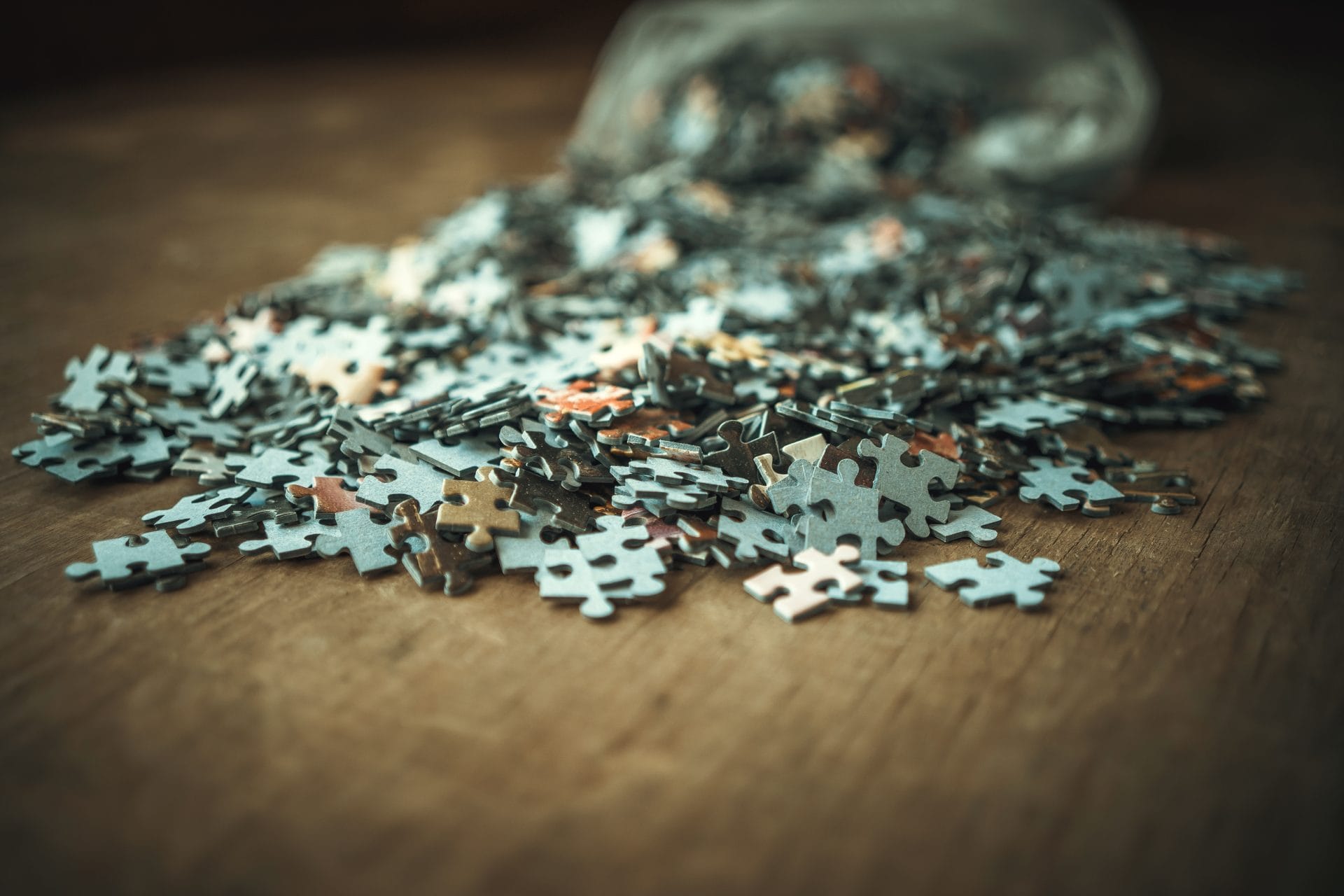
John Spilsbury, a London mapmaker, is credited with creating the first jigsaw puzzle in the 1760s. He mounted maps on wood and cut them into small pieces, creating an educational tool to teach geography. This idea quickly caught on, and jigsaw puzzles became a popular form of entertainment.
Crossword Puzzles: The Birth of Word Games
The first known crossword puzzle was published in 1913 by Arthur Wynne, a journalist from Liverpool. This new form of word puzzle quickly gained popularity, appearing in newspapers and magazines worldwide.
The 20th Century: Innovation and Variety
The 20th century brought about significant advancements in puzzle design and complexity.
Rubik’s Cube: A 3D Brain Teaser
In 1974, Ernő Rubik, a Hungarian architect, invented the Rubik’s Cube. This 3D combination puzzle became a global sensation, challenging people to match the colors on all sides of the cube. To this day, it remains one of the best-selling puzzles in the world.
Sudoku: A Number-Based Challenge
Sudoku, a logic-based number puzzle, originated in Japan in the late 20th century. It became internationally popular in the early 2000s, appearing in newspapers and books, captivating millions with its simple yet challenging design.
Modern Era: The Rise of Escape Rooms
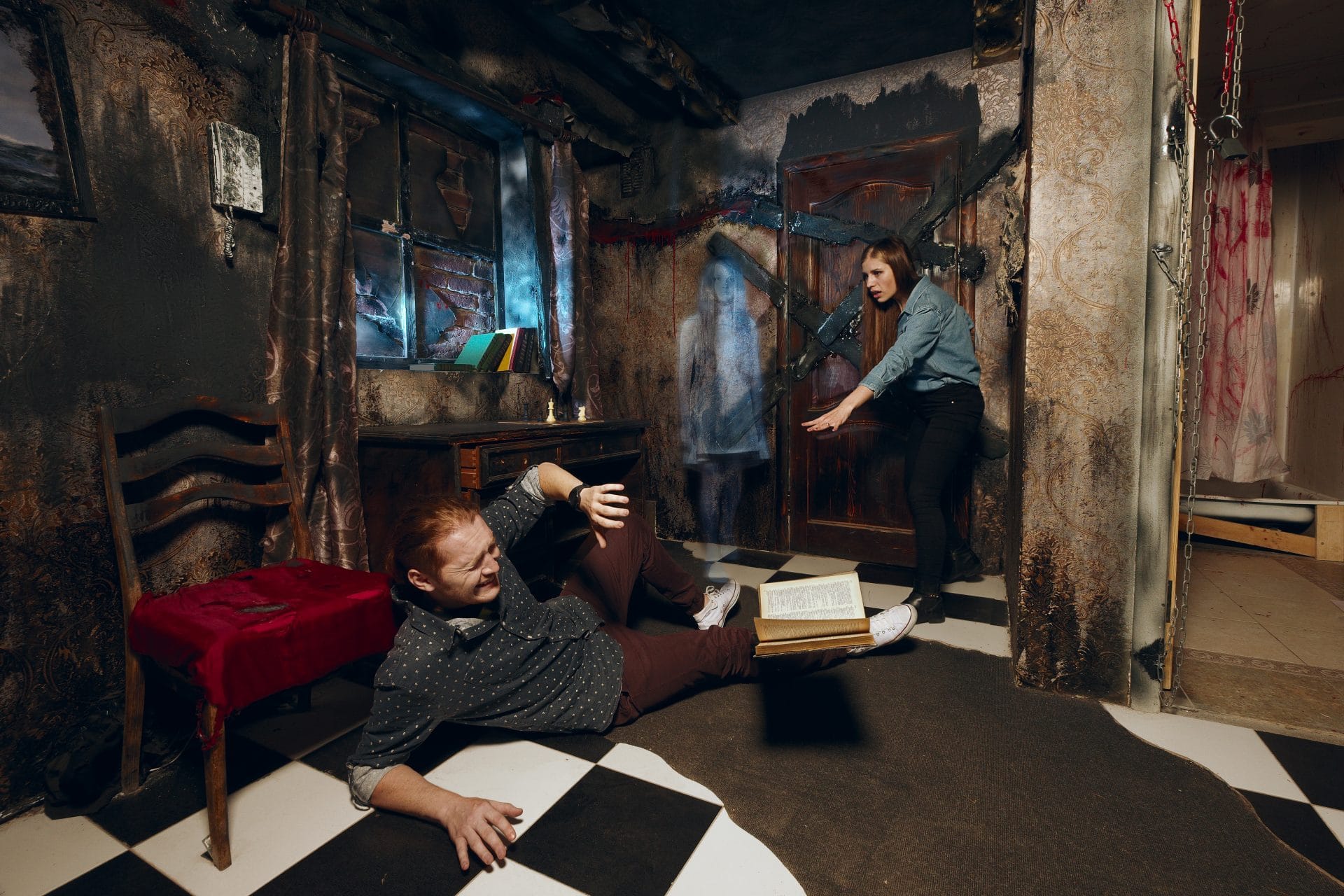
In recent years, escape rooms have taken the world by storm. These immersive, live-action games require players to solve a series of puzzles to “escape” a themed room within a set time limit.
Escape Rooms: A New Frontier of Puzzles
Escape rooms combine elements of traditional puzzles, storytelling, and physical challenges. They originated in Japan in the early 2000s and quickly spread worldwide. Today, there are thousands of escape rooms, each offering unique themes and challenges.
Creating Your Own Escape Room at Home
With the popularity of escape rooms, many people are looking to bring the experience home. Our Escape Kit business offers everything you need to create an exciting escape room in your own living room. It’s a perfect activity for families, providing a fun and engaging way to spend time together while exercising your brains.
Conclusion: The Everlasting Appeal of Puzzles
From ancient riddles to modern escape rooms, puzzles have always been a source of fascination and joy. They challenge our minds, spark our creativity, and bring people together. Whether you’re solving a crossword puzzle over your morning coffee or working with friends to escape a themed room, puzzles remain an enduring and beloved pastime.
So, why not gather your family and try out one of our escape kits? Not only will you have a blast, but you’ll also be part of a rich tradition that spans thousands of years.
Don't forget to share this post!
Read more stories

10 Affordable & Unique Gifts for the Mom Who Has Everything
Surprise her with something fun, personal, and unexpected. From immersive home escape room kits to relaxing spa sets, these gifts leave a lasting impression.

Organizing the Perfect At-Home Treasure Hunt
Turn your home into a fun-filled treasure map. Learn tips, ideas, and examples to host an unforgettable adventure for kids, families, or date nights.

Printable Escape Room Games: Thrilling Adventures at Home
Transform your living space into a puzzle-packed adventure with printable escape room games. Perfect for parties, family fun, and team-building.