
Introduction
Escape rooms go beyond mere entertainment; they are powerful arenas for social skill enhancement and empathy cultivation. In these immersive environments, teams must unite to decode puzzles and navigate challenges, making escape rooms exceptional in promoting prosocial behaviors. This blog post explores how these exciting experiences contribute to social interaction improvements and empathy among participants.

“Empathy is about finding echoes of another person in yourself.” — Mohsin Hamid
Exploring Social Dynamics in Escape Rooms
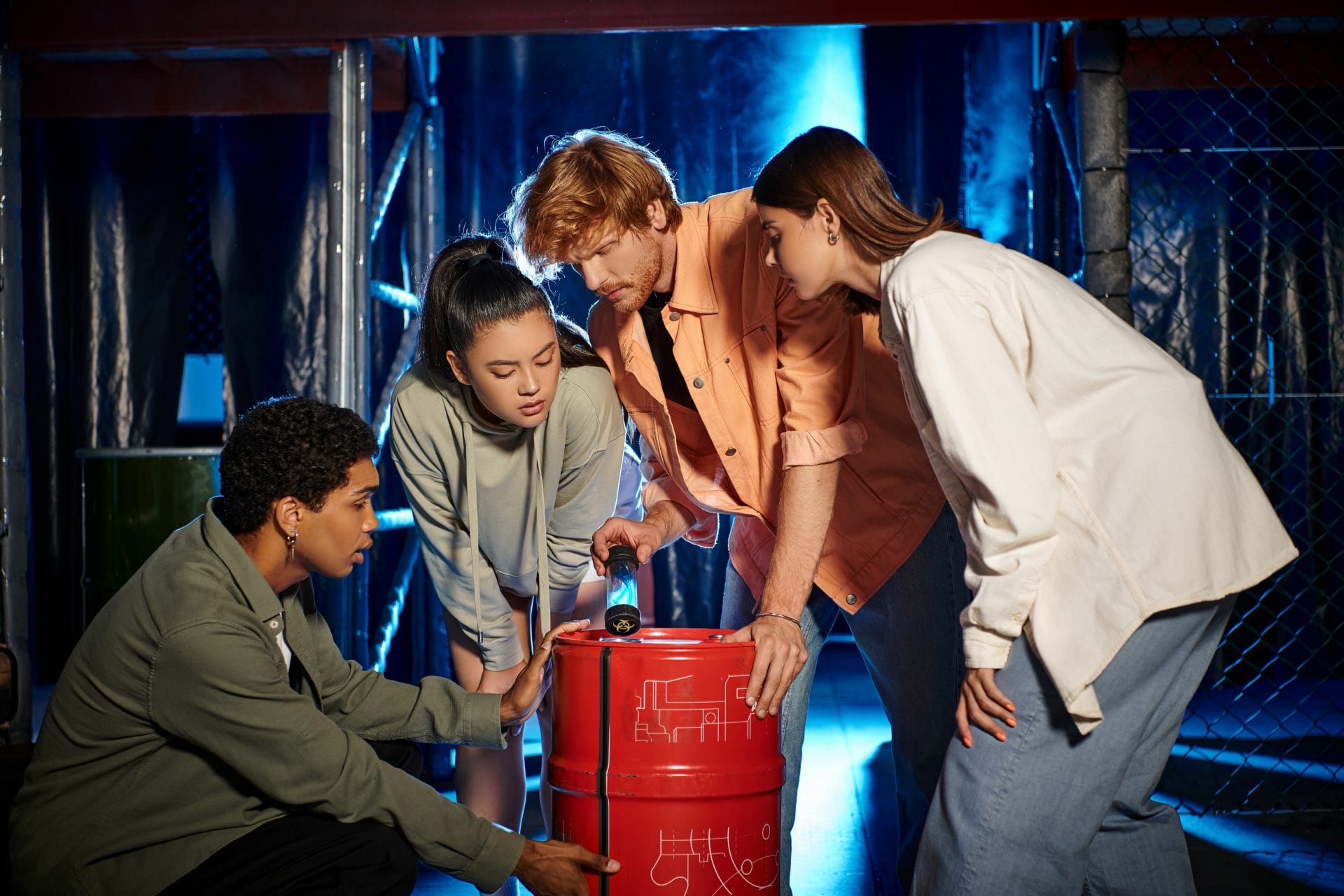
Escape rooms place teams in a dynamic, pressure-filled setting where solving complex puzzles against the clock is paramount. This environment sharpens interpersonal interactions, requiring players to harness each other’s strengths. Such intense collaboration fosters deeper connections as participants communicate effectively, share responsibilities, and build trust—essential elements for success.
Cultivating Empathy Through Challenges
Empathy, the capacity to grasp and share another’s feelings, is vital for cohesive teamwork. Escape rooms offer a variety of challenges that cater to diverse abilities and perspectives, compelling players to empathize with their teammates. The shared emotional journey of navigating both struggles and successes within the game can significantly deepen empathy, enriching players’ understanding and appreciation of each other.

Strengthening Communication Skills
Communication is crucial in escape rooms, where success hinges on the team’s ability to exchange ideas clearly, listen actively, and read non-verbal signals. These skills, honed within the game’s context, enhance players’ ability to articulate and interpret information in everyday life, improving both personal and professional interactions.
Resolving Conflicts and Negotiating Solutions
Differences in opinion and approach can lead to conflicts, especially under the ticking clock of an escape room. These situations offer a controlled environment to practice conflict resolution and negotiation, teaching players to manage disagreements constructively and keep emotions in check, a skill that translates well beyond the game.
The Enduring Impact of Regular Escape Room Engagement
Frequent escape room participation can lead to lasting enhancements in prosocial behaviors. Individuals accustomed to these settings are often better equipped to cooperate, express empathy, and communicate effectively across all facets of life, strengthening both personal and professional bonds.
Enhancing Team Cohesion and Personal Relationships
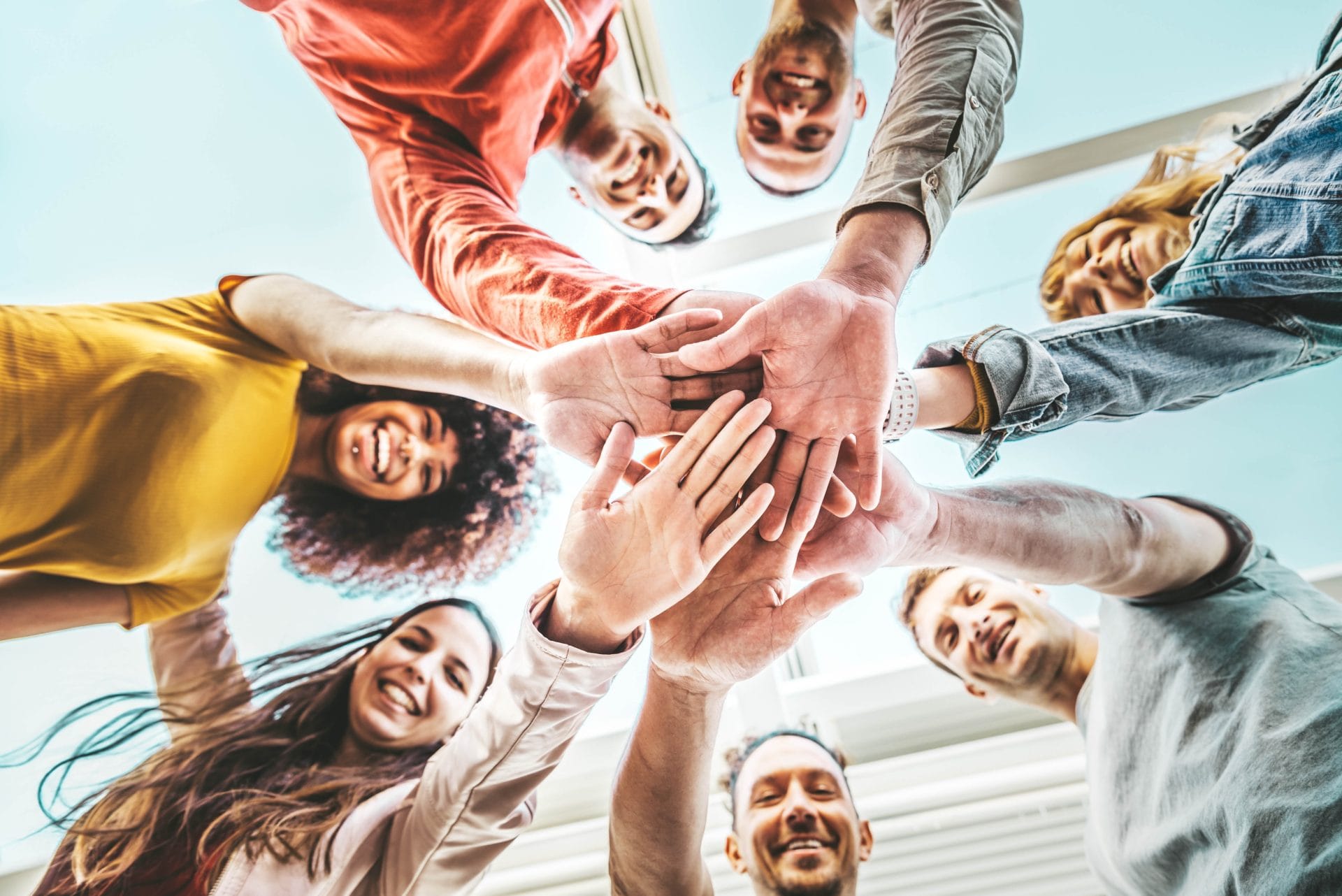
Escape rooms provide a unique opportunity for friends, families, and colleagues to forge stronger relationships. Overcoming game challenges collectively fosters camaraderie and a deeper mutual understanding, promoting more resilient and supportive connections.
Conclusion
Escape rooms are more than thrilling adventures; they are transformative experiences that foster essential social skills and empathy. By encouraging effective teamwork, communication, and mutual understanding under playful yet challenging circumstances, escape rooms serve as valuable tools for personal and social development. Engage in an escape room challenge to not only entertain but also to enrich your relationships and enhance your social skills.
Don't forget to share this post!
Read more stories

10 Affordable & Unique Gifts for the Mom Who Has Everything
Surprise her with something fun, personal, and unexpected. From immersive home escape room kits to relaxing spa sets, these gifts leave a lasting impression.

Organizing the Perfect At-Home Treasure Hunt
Turn your home into a fun-filled treasure map. Learn tips, ideas, and examples to host an unforgettable adventure for kids, families, or date nights.

Printable Escape Room Games: Thrilling Adventures at Home
Transform your living space into a puzzle-packed adventure with printable escape room games. Perfect for parties, family fun, and team-building.